
Dry Van vs. Reefer vs. Flatbed: Which One Makes More Money?
When you’re deciding what kind of freight to haul, one of the biggest questions is: Which trailer type brings in the most money — Dry Van, Reefer, or Flatbed? The answer depends on your operating style, equipment, and how much work you’re willing to put in. Let’s break it down.
Dry Van: The Industry Standard
Dry Vans are the most common type of freight trailer — and for good reason. They’re versatile, easy to load/unload, and haul everything from retail goods to non-perishable items.
Pros:
Low startup and maintenance costs
Widely available loads across all regions
Ideal for new carriers or OTR drivers
Cons:
Lower rates per mile than other trailer types
High competition
Less control over load conditions
Best For: Owner-operators seeking consistency and lower risk.
Reefer: Temperature-Controlled Freight
Reefer trailers haul perishable goods like meat, dairy, produce, and pharmaceuticals. These loads require constant refrigeration — and higher responsibility — but the payoff can be worth it.
Pros:
Higher rates due to added complexity
Year-round demand, especially in food and pharma
Good broker relationships can pay off long-term
Cons:
Costly equipment and fuel for cooling unit
Higher insurance and maintenance costs
Must manage delivery windows carefully
Best For: Carriers who don’t mind strict schedules and are looking for better rates with consistent freight.
Flatbed: Open Deck, Heavy Hauls
Flatbed trailers are built for hauling oversized, heavy, or awkward freight — like construction materials, machinery, or steel. The work is more physical, but it often pays the best.
Pros:
Higher RPMs than van or reefer
Less competition in certain regions
Opportunities for specialized niches (e.g. oversize or step deck)
Cons:
Requires tarping, chaining, and securement knowledge
Seasonal slowdowns in winter
Greater exposure to weather and safety risks
Best For: Experienced drivers willing to handle tougher freight for better pay.
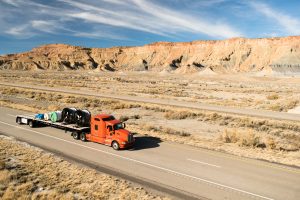
So, Which One Makes the Most Money?
If we’re talking pure rate per mile, Flatbed often comes out on top — especially when you haul oversize or specialized freight. Reefer runs a close second, offering consistent high-paying loads with more time sensitivity. Dry Van is steady and lower risk, but usually brings in the lowest RPM.
However, profitability isn’t just about the rate — it’s about total operating cost, downtime, and your ability to stay loaded. A well-run dry van operation might out-earn a poorly managed reefer business.
Need Help Deciding What to Run?
At Hafah Logistics, we help carriers and owner-operators choose the best trailer type based on their goals, experience, and market trends. Whether you’re looking for higher RPMs or more predictable loads, we’ve got dispatch strategies built to boost your bottom line.
Let’s make freight work smarter for you — not harder.
